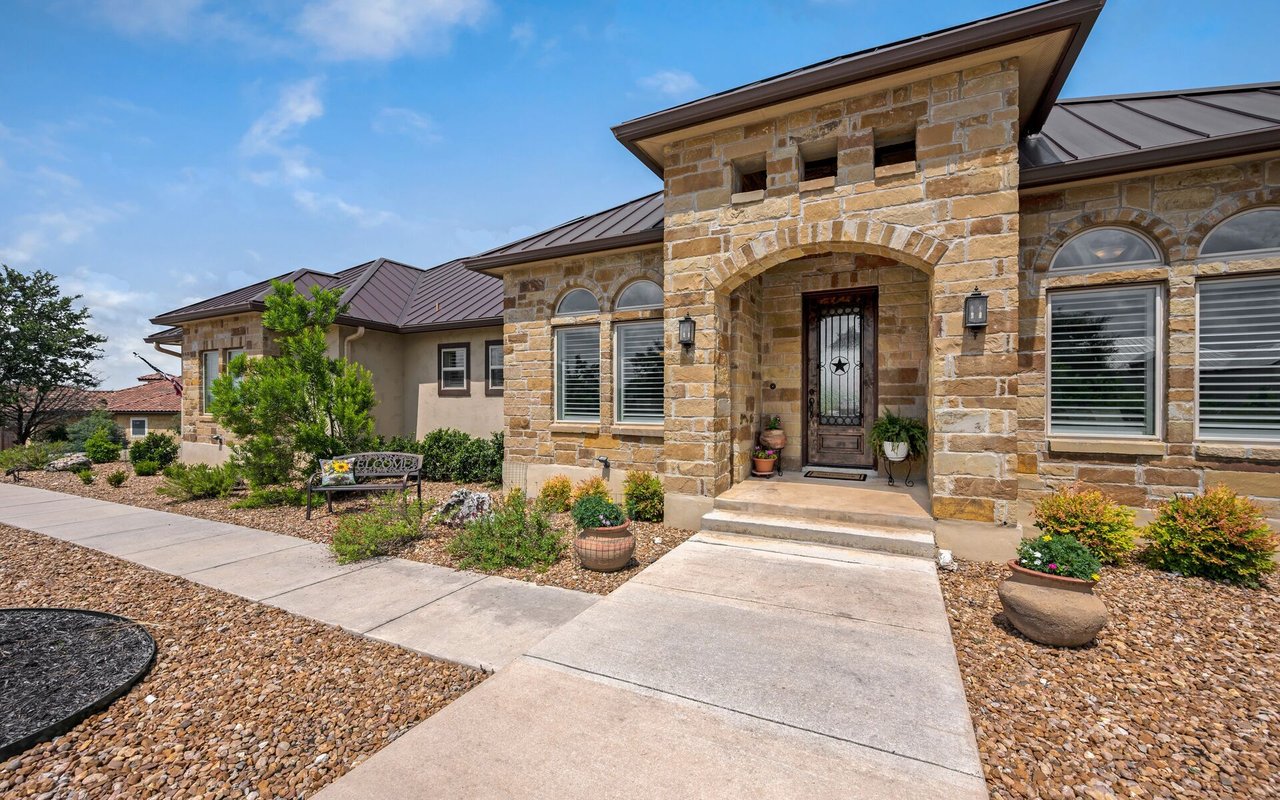
If you are selling a luxury home in Highland Park, your price is not just a number. It is the first signal you send to the market, and in a small, high-value community, that signal matters quickly. The good news is that with the right pricing strategy, you can position your home to attract serious buyers, protect negotiating leverage, and avoid the drag that comes from sitting too long. Let’s dive in.
Why pricing matters in Highland Park
Highland Park is a compact, built-out town of about 2.26 square miles with roughly 8,900 residents, located about 3 miles north of downtown Dallas. It is largely made up of single-family homes, and the town continues to see redevelopment even though it is landlocked. That combination creates a market where inventory is limited, buyer expectations are high, and pricing mistakes are easy to spot.
This is also a market where broad averages only tell part of the story. Recent reports show different pricing snapshots depending on methodology, including a median sale price of $2.34 million, a median listing price of $4.195 million, and a typical home value of $2.98 million. The takeaway is simple: Highland Park is a premium market, but it is also a thin market where precision matters more than headline numbers.
Read the market as a range
When you review Highland Park data, you will notice that different sources present different numbers. That does not mean the data is unreliable. It means each source is measuring a different part of the market, such as closed sales, active listings, or broader value estimates.
For a seller, that means you should treat market data as a range rather than a single target. One report may show a median 16 days on market for recent sales, while another shows 44 median days on market for listings. That difference reinforces an important point: some homes are priced and positioned correctly from day one, while others need more time and often adjustments.
Start with the right valuation lens
Not every Highland Park luxury home should be priced the same way. In a built-out market with steady redevelopment, buyers often separate land value, improvement value, and redevelopment potential.
That means an original-condition home may need a very different pricing strategy than a fully renovated residence. A teardown or rebuild candidate may also appeal to a different buyer pool than a move-in-ready estate. If you price all three through the same lens, you risk missing the market.
Price per square foot is helpful, not decisive
Price per square foot can offer useful context, but it should never be the whole pricing story in Highland Park. Recent benchmarks show a median sale price per square foot of $779, while listing-based data shows $932 per square foot. That gap is a reminder that asking prices and closing behavior can differ significantly.
Buyers in this segment look beyond square footage. Condition, design quality, lot utility, layout, and location within the town can all influence value. Two homes with similar size may command very different results if one is renovated beautifully and the other needs major updating.
Build pricing from comps, not ambition
A disciplined list price usually starts with comparable properties, not with the highest number you hope the market will support. In luxury real estate, aspiration-led pricing often sounds good at the kitchen table but performs poorly once the listing goes live.
The strongest pricing strategy looks at three things first:
- Recent direct comparable sales
- Current competing listings
- Pending activity that shows what buyers are accepting right now
This approach matters in Highland Park because buyer demand is selective, not automatic. Some homes still attract strong activity and can go pending in around 15 days when they are priced sharply and presented well.
Focus on your real competition
When pricing your home, the most important comparison is not the biggest recent sale in town. It is the set of homes a qualified buyer will consider instead of yours.
That may include homes with similar architecture, lot size, level of finish, renovation quality, or redevelopment appeal. It may also include homes in nearby luxury Dallas neighborhoods if buyers see them as substitutes. The goal is to understand the decision set from the buyer’s point of view, because that is what shapes offers.
The first few weeks matter most
Your launch window is usually your best window. When a new Highland Park listing hits the market, buyers and agents tend to look closely because fresh inventory in a premium area gets attention.
If the price is right, that early interest can create momentum and preserve leverage. If the price is too high, the market often responds with silence rather than negotiation. That silence can be costly because it delays feedback, weakens perception, and increases the chance that you will need a public price reduction later.
Overpricing can reduce your final result
Many sellers assume they can start high and negotiate down later. In practice, luxury buyers often do not engage that way. If they view the property as overpriced, they may simply move on to another option.
That is especially relevant in Highland Park, where recent data showed that 32.6% of homes had price drops, even while 30.8% sold above list price. That tells you the market is not uniformly soft or uniformly strong. It is selective. Well-positioned homes can outperform, but mispriced homes often have to adjust.
Price reductions carry a cost
A price reduction is not always a problem, but it is usually better to avoid one if possible. Once a listing lingers, buyers may start to wonder why. Even if the home is exceptional, added market time can shift the tone of negotiations.
There is also a financial side to waiting. Highland Park states that its property tax rate is $0.199296 per $100 of assessed valuation, with taxes billed by Dallas County together with school taxes. Every extra month on market can increase carrying costs while also creating more room for buyers to negotiate.
Strong pricing protects negotiating leverage
A smart list price should leave room for a normal transaction discussion, but it should not depend on a dramatic correction later. In luxury sales, your goal is often to create enough confidence at launch that buyers feel the home is worth seeing and worth pursuing.
That does not mean pricing low. It means pricing credibly. When buyers believe the list price reflects current market conditions, they are more likely to engage seriously, and that gives you more control over the process.
Local demand supports value, but does not replace pricing discipline
Highland Park benefits from strong demand drivers, including its established residential character, numerous parks, and central Dallas proximity. HPISD also serves more than 6,150 students across eight campuses. These factors can support buyer interest and long-term appeal.
Still, demand drivers do not erase pricing discipline. They help explain why buyers want to be in Highland Park, but they do not guarantee that any price will be accepted. Your home still has to line up with current comps, condition, and buyer expectations.
A practical pricing strategy for sellers
If you want to price a Highland Park luxury home well, keep the process focused and disciplined. A strong strategy usually includes:
- Identifying whether your home is best viewed as renovated, original-condition, or redevelopment-driven
- Comparing it to the most relevant recent sales, not broad town averages
- Studying active and pending competition closely
- Using price per square foot as a reference point, not the final answer
- Prioritizing launch-day accuracy over testing the market too high
- Watching the first few weeks for real buyer feedback
This kind of approach helps you protect both perception and net proceeds. It also supports a smoother, more discreet selling experience, which matters in a market like Highland Park.
What sellers should remember now
Highland Park remains a premier luxury market, but that does not make pricing easier. In fact, it makes precision more important. In a town with limited inventory, high buyer expectations, and meaningful variation between property types, your pricing strategy should be specific to your home, your competition, and current demand.
If you are thinking about selling, the best next step is a careful pricing review grounded in current comps and real buyer behavior. That is how you reduce guesswork, protect leverage, and bring your home to market with confidence. For a discreet, data-driven strategy tailored to your property, connect with Richard Noon.
FAQs
How should you price a Highland Park luxury home?
- You should price it using recent comparable sales, current competing listings, pending activity, and the home’s specific condition, lot value, and redevelopment potential.
Why is overpricing a Highland Park home risky?
- Overpricing can lead to fewer showings, longer market time, added carrying costs, and a higher chance of a visible price reduction that weakens negotiating leverage.
Does price per square foot determine Highland Park home value?
- No. Price per square foot is useful context, but buyers also weigh condition, design quality, lot utility, layout, and the home’s position within Highland Park.
How fast do homes sell in Highland Park?
- Recent market snapshots vary by source, but closed-sale data showed a median of 16 days on market, while some hot homes went pending in about 15 days when priced well.
What makes Highland Park pricing different from other markets?
- Highland Park is a compact, built-out luxury market with limited inventory, ongoing redevelopment, and a buyer pool that responds strongly to pricing accuracy and property-specific details.