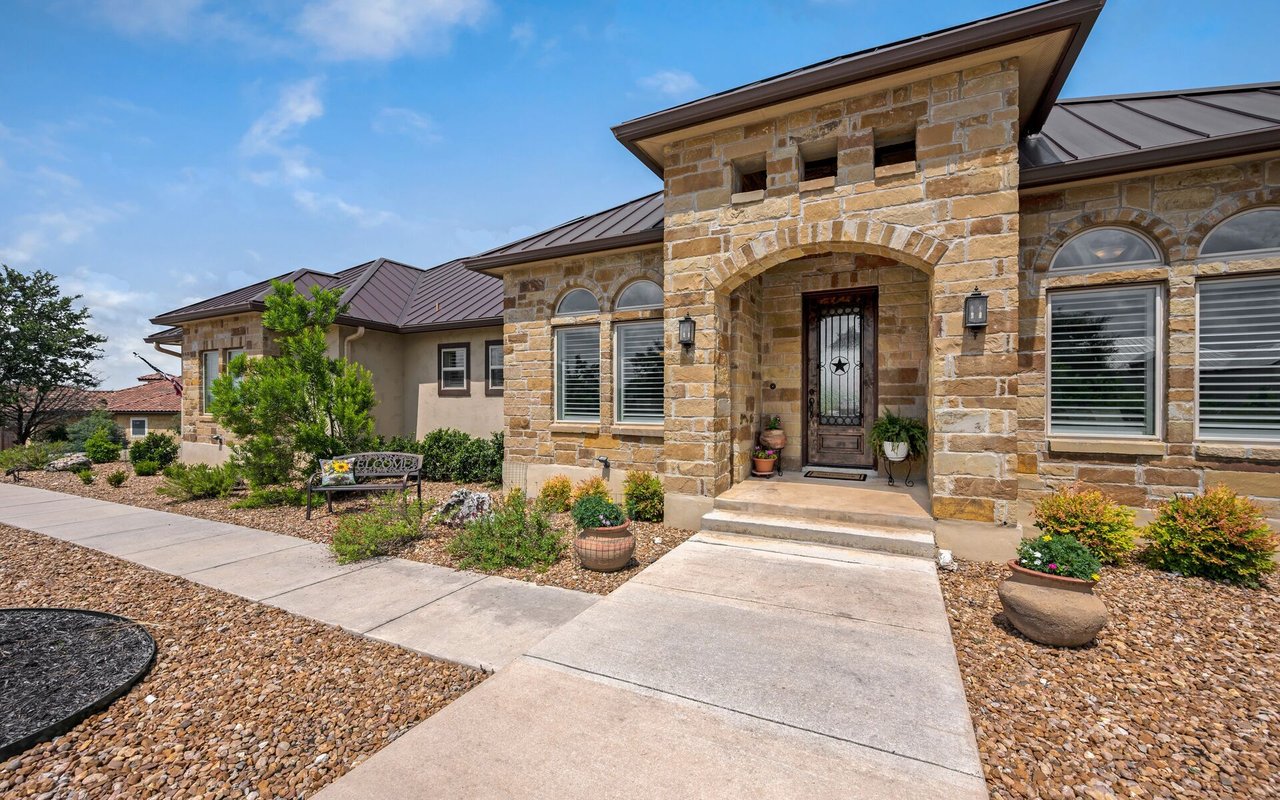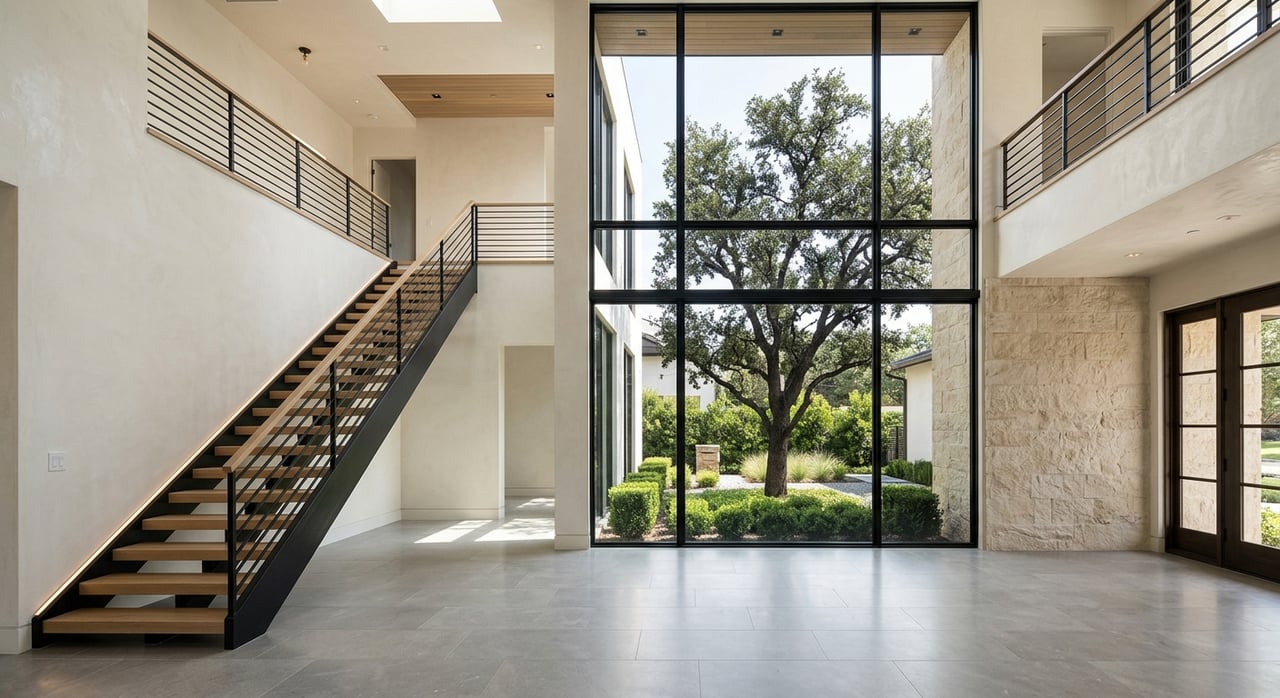
If you are considering a new construction home in Westlake, you are not just picking finishes and a move-in date. You are making decisions that touch zoning, lot fit, HOA approvals, permits, contract terms, and long-term resale position. That can feel like a lot, especially in a town where development standards are detailed and community expectations are high. The good news is that with the right plan, you can move through the process with clarity and avoid expensive surprises. Let’s dive in.
Why Westlake new construction is different
Westlake is a master-planned town with a structured development review process. The town states that development must conform to its comprehensive plan, zoning regulations, building codes, and other ordinances. That means a new build here involves more than choosing a builder and signing a contract.
Westlake also adopted the 2021 code editions, including the residential code, in October 2023. For you as a buyer, that matters because plan approval, site work, and construction details are reviewed against current local requirements. In practical terms, a home that looks perfect on paper still has to work on the specific lot and meet town and HOA standards.
Start with the lot, not just the floor plan
In Westlake, lot selection and site engineering go hand in hand. The town’s residential permit guidelines say the site must be zoned for the intended use and be a platted lot of record. Permit submittals often require site plans, drainage and grading plans, engineered foundation plans, wall bracing plans, tree conservation or mitigation plans, energy compliance documents, and landscape plans.
That is why the best floor plan is often the one that fits the lot cleanly. If a plan forces major grading changes, tree issues, or redesigns after review, your timeline and budget can shift quickly. Before you fall in love with a rendering, it is smart to confirm how the home will sit on the site.
Questions to ask about lot fit
- Is the lot already platted and properly zoned for the intended home?
- Will the floor plan fit without major drainage or grading changes?
- Are there trees or site features that may trigger conservation or mitigation requirements?
- Will retaining walls, a pool, or other exterior features need separate review and permits?
These are not minor details in Westlake. They can affect both the construction path and the final look and function of your home.
Understand how HOA approvals affect the timeline
Many Westlake communities are governed by HOAs, and that matters early in the process. The town generally requires an HOA approval letter at permit submittal for most new single-family homes. It also requires HOA approval for certain features such as fences and retaining walls where applicable.
This means your timeline may depend on more than the builder and the town. Architectural review can influence when plans are submitted and when revisions are needed. If you are buying in a community with detailed design standards, ask about HOA or ACC review as soon as possible.
Westlake communities can operate very differently
Westlake’s subdivision information shows a broad mix of community types. Some examples include:
- Glenwyck Farms with sites from about 0.80 acres to more than 1 acre
- Quail Hollow with 96 estate homes on 188 acres
- Westlake Ranch and Aspen Ranch with villas and larger estate homes
- Terra Bella with 28 gated lots and open space
- Vaquero as a guard-gated golf community with architectural and landscape guidelines
For you, those differences can shape dues, maintenance responsibility, guest access, and exterior design standards. They can also affect how the property may be perceived at resale.
Builder choice matters more than most buyers expect
Not every builder is equally equipped for Westlake’s level of architectural and site variation. A builder may offer a strong model home experience, but that does not automatically mean they are the right fit for your lot, design goals, or timeline. Builder reputation and execution matter.
You should look closely at whether the builder is licensed and insured, what past clients say, and whether the builder has experience delivering the type of home being promised. In a market like Westlake, details around site work, finishes, and approvals can separate a smooth process from a frustrating one.
How to vet a builder more carefully
- Ask what similar homes the builder has completed on comparable lots
- Review the builder’s process for plan changes and revision pricing
- Ask for a clear list of standard features versus upgrades
- Confirm who manages communication during permitting and construction
- Understand the expected timeline for approvals, construction, and walkthroughs
If you want to study what a builder has done on similar lots in Westlake, the town notes that building permits, plans, and reports may be requested through its open-records process. That can give you useful insight into how a builder’s product has translated from concept to actual approval and construction.
Know what permits cover and what needs separate review
A common mistake with new construction is assuming everything is included under one approval path. In Westlake, that is not the case. The town says accessory structures, pools, irrigation systems, and retaining walls require separate review and permitting.
That matters if your vision includes a full outdoor living setup or future additions. You want to know early which features are part of the original plan package and which ones will be handled separately. Otherwise, you may face added delays or costs after you thought the home was already fully approved.
Westlake also states that plan reviews generally take 10 to 15 working days once a submittal is complete. If plans are revised after they are released for construction, they must be resubmitted for review. In other words, late changes can carry real timing consequences.
Pay close attention to the contract structure
Texas uses a different contract framework for new homes than for resale homes. TREC publishes separate forms for new homes where construction is incomplete and for new homes where construction is completed. That alone tells you a new-build purchase should not be treated like a standard resale transaction.
For you, the key is to understand which TREC form applies and what builder addenda change it. Builder contracts and addenda can shape deposit terms, upgrade payments, completion timing, walkthrough procedures, and how issues are handled before and after closing.
Contract points to clarify before you sign
- Which TREC new-home form is being used?
- What builder addenda modify the standard terms?
- When is earnest money or any builder deposit refundable, if at all?
- What is the process for final walkthroughs and punch-list items?
- How are delays, substitutions, or material changes addressed?
- What happens if the home is not completed on the expected timeline?
These are the details that help you move forward with confidence instead of assumptions.
Inspections still matter on a brand-new home
A new home is not the same as a perfect home. Independent inspections remain important, even with new construction. You should plan for a satisfactory inspection and use an inspector known for honesty and thoroughness.
This is especially relevant in a market like Westlake, where site conditions, grading, drainage, and custom features can vary widely from one property to another. An independent review gives you another layer of protection and helps you document concerns before closing.
You also do not have to use the builder’s affiliated lender. If financing is part of your purchase, comparing options can help you make a cleaner decision based on your terms rather than convenience alone.
Understand warranty coverage before closing
Buyers often hear the word “warranty” and assume broad protection. In reality, coverage depends on the actual plan and terms. If a builder or seller offers a separate home warranty or service contract, Texas notes that it is not the same as homeowners insurance.
Home warranties generally cover specified items that fail due to normal wear and tear, and coverage varies by plan. That means you should read exclusions, term lengths, and claim procedures carefully. You want to know what is covered, what is not, and how a claim is started.
Texas defect claims follow a formal process
This is one area where Westlake new-construction buyers should be especially thoughtful. Texas Property Code Chapter 27 overlays a defect-claim process for covered contracts. The law requires statutory notice about construction defects in covered contracts, and before a claimant begins suit or arbitration, the claimant must give 60-day written notice by certified mail.
After that notice, the contractor has a 35-day inspection window on request and may conduct up to three inspections during that period. For you, the practical takeaway is simple: do not assume post-closing issues will be handled like a casual resale repair conversation. The contract should clearly explain walkthrough timing, punch-list procedures, and the builder’s warranty-claim process before you close.
A smart Westlake buying strategy
If you want a smoother experience, it helps to think about Westlake new construction in the right order. The lot, HOA rules, permitting path, and contract structure should guide your decisions just as much as design preferences. That approach protects both your experience and your investment.
A practical path often looks like this:
- Identify the community and confirm its HOA or architectural review standards.
- Verify the lot is platted, zoned, and suitable for your intended plan.
- Review what the builder includes, what counts as an upgrade, and what needs separate permits.
- Clarify contract terms, deposits, financing options, inspections, and walkthrough procedures.
- Review warranty coverage and the builder’s post-closing claim process before signing off.
In Westlake, careful planning is not overthinking. It is part of buying well.
If you are weighing communities, builders, or lot options in Westlake, the right guidance can help you make cleaner decisions from the start. For a discreet, detail-driven approach to new construction in DFW, connect with Richard Noon.
FAQs
What makes new construction in Westlake different from other North Texas markets?
- Westlake has a structured development and permit process, many communities are HOA-governed, and new homes often require detailed site, drainage, foundation, landscape, and tree-related review before approval.
What should buyers ask about a Westlake lot before choosing a floor plan?
- You should ask whether the lot is platted and zoned for the intended use, whether the plan fits without major grading or drainage changes, and whether tree preservation or other site conditions could affect design or cost.
What HOA approvals are common for Westlake new construction homes?
- Westlake generally requires an HOA approval letter for most new single-family permit applications, and some items such as fences and retaining walls may also need HOA approval where applicable.
What permits may be separate for a new construction home in Westlake?
- Accessory structures, pools, irrigation systems, and retaining walls may require separate review and permitting from the main home permit.
What contract form is used for a new construction home in Texas?
- Texas uses separate TREC forms for new homes with incomplete construction and new homes with completed construction, so buyers should confirm which form applies and what builder addenda modify it.
Why should buyers get an independent inspection on a new Westlake home?
- An independent inspection gives you an objective review of the home’s condition and helps identify concerns before closing, even if the property is brand new.
Are builder warranties the same as homeowners insurance in Texas?
- No. Texas states that home warranties or service contracts are not the same as homeowners insurance, and warranty coverage varies by the specific terms, exclusions, and length of the plan.