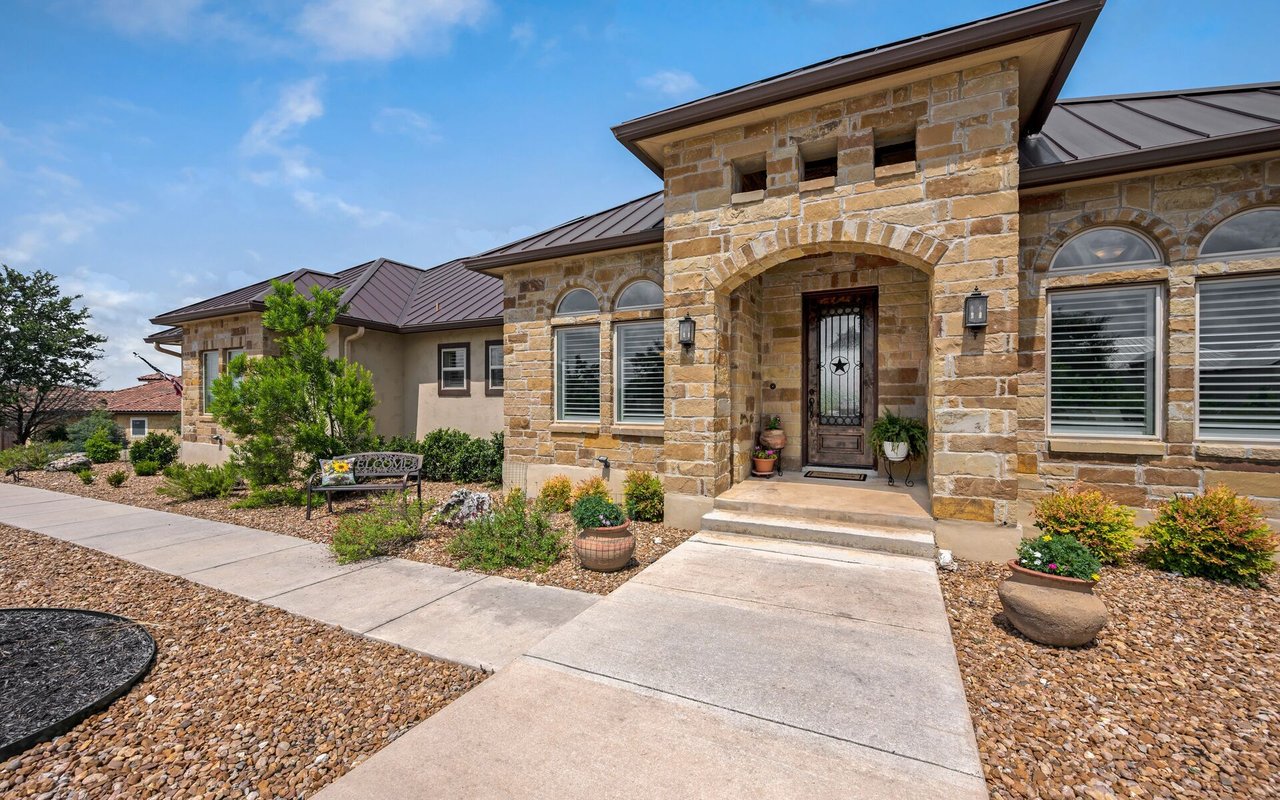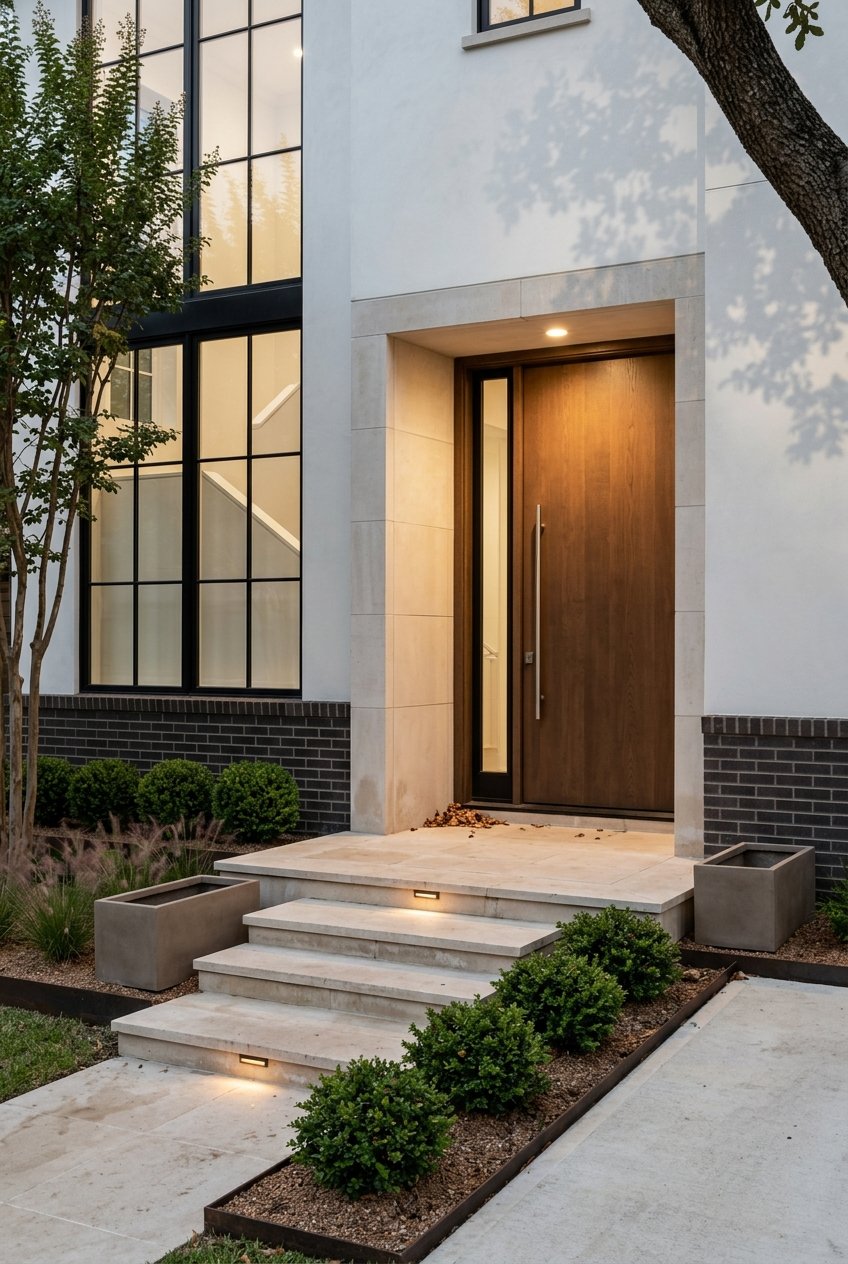
If you are searching in Highland Park, one question shapes almost everything: do you want timeless character, cleaner mid-century lines, or the convenience of a newer home? In a town with a long residential history, the answer is rarely just about style. It is also about lot size, setbacks, renovation scope, and how much ongoing upkeep you want to take on. This guide will help you understand how Highland Park home styles tend to differ, what those differences can mean in real life, and how to compare your options with more clarity. Let’s dive in.
Why Highland Park Styles Vary
Highland Park is a fully developed residential town that dates to 1915, and its housing stock reflects that long buildout. Instead of one dominant architectural look, you will find a range of styles shaped by different building eras and lot patterns.
The town’s zoning ordinance also plays a major role in how homes sit on their sites. Residential districts vary in minimum lot size, and the ordinance regulates setbacks and lot coverage, which helps explain why many homes sit behind a visible front yard and established building line.
For you as a buyer, that means the house itself is only part of the story. Lot dimensions, setback conditions, and the extent of prior updates can be just as important as bedroom count or square footage.
Classic Highland Park Architecture
When people picture Highland Park, they often picture its classic revival-style homes. Local and Park Cities references point to Tudor, Colonial Revival, Georgian, Spanish Revival, French Eclectic, Neoclassical, and Mediterranean influences as defining parts of the town’s architectural identity.
What ties these homes together is not one exact design formula. It is a shared sense of architectural detail, proportion, and presence that gives many Highland Park streets a layered, established feel.
Tudor Homes in Highland Park
Tudor homes are among the easiest classic styles to recognize. They often feature steep rooflines, multiple gables, half-timbering, casement windows, and decorative chimneys.
In Highland Park, Tudor homes may also include leaded glass, stained glass, and Gothic-style arches. If you are drawn to craftsmanship and period detail, this style often delivers a strong sense of personality.
Colonial and Georgian Homes
Colonial Revival and Georgian homes are also central to Highland Park’s classic look. These homes tend to feel orderly and balanced, with a more formal exterior presence than some other historic styles.
For many buyers, the appeal is simple. These homes often offer enduring curb appeal and a style vocabulary that continues to influence newer luxury construction in the area.
Spanish and Mediterranean Influence
Spanish Revival and Mediterranean style remain part of Highland Park’s visual mix as well. Civic landmarks such as Town Hall and Highland Park Village reflect that influence, and residences in similar styles still appear in the market.
These homes often stand out for their texture, shape, and warmth. If you want a classic home that feels distinct from Tudor or Colonial traditions, this category can offer a compelling alternative.
What Older Homes Often Mean for Buyers
Older Highland Park homes can offer details that are difficult to reproduce, including original millwork, historic windows, and more traditional room arrangements. Recent Park Cities home-tour coverage highlighted examples such as a 1928 Tudor with its original floor plan intact, a restored 1940s Colonial Revival, and an updated 1920s Spanish Revival.
That range matters because not all classic homes offer the same experience. Some preserve much of their original layout and detail, while others have been heavily updated to support modern living.
As you compare properties, it helps to think in terms of authenticity versus modernization. You may love original character, but you should also consider whether you want a home that is already reworked for current preferences or one that may need further updates over time.
Mid-Century and Postwar Options
Mid-century and postwar homes make up a smaller but meaningful part of Highland Park’s housing stock. The Park Cities style record includes Mid-Century Modern, and Highland Park has had notable examples from the 1950s through the 1970s.
These homes often appeal to buyers who want something architecturally distinct without the heavier ornament of revival styles. In practical terms, that can mean cleaner lines, larger expanses of glass, and layouts that feel more open.
What Mid-Century Design Offers
A 1964 one-story Highland Park home cited in local reporting wrapped around a courtyard and used large windows to bring in light and greenery. That example captures a common strength of mid-century design: a closer connection between indoor and outdoor spaces.
If you value openness and a more flexible renovation canvas, a mid-century home may be worth serious consideration. These homes can offer strong design identity while leaving more room for thoughtful reconfiguration than a highly detailed period house.
New Construction in Highland Park
New construction in Highland Park is not limited to one look. Recent coverage shows a broad spectrum, from a 2024 Santa Barbara-style estate with a transitional interior to a 2025 Georgian-style build described as a return to classic neighborhood architecture.
At the same time, more overtly modern estates continue to appear. In other words, newer homes in Highland Park may either echo the established streetscape or take a more contemporary direction.
What Newer Homes Typically Prioritize
Newer luxury homes often focus on function as much as style. Features highlighted in recent Highland Park coverage include elevators, sliding wall systems, wine rooms, offices, courtyards, verandas, and large garages.
For you, the biggest advantage may be fewer near-term surprises. If you want a more turnkey ownership experience, newer construction can reduce the immediate need for repairs, system upgrades, or layout changes.
Lot Size, Setbacks, and Permits Matter
In Highland Park, style is only one layer of the decision. The town’s zoning ordinance includes varying minimum lot sizes across residential districts, along with setback and lot-coverage rules that affect how a home fits on its site.
That means two homes with similar square footage can live very differently depending on the lot. Front-yard depth, building placement, and available outdoor space can all shape privacy, curb presence, and future flexibility.
The town also requires permits for demolition, new construction, remodeling, and additions. Contractors must be licensed by the state and registered with the town, which is important to keep in mind if you are considering a major renovation or expansion.
Renovation and Maintenance Tradeoffs
Every Highland Park style comes with tradeoffs, and your best fit often depends on your renovation appetite. Classic revival homes tend to reward buyers who value architectural character and are comfortable with preservation-minded upkeep.
Preservation guidance commonly points to roofs, masonry repointing, and window repair as recurring priorities in older homes. Preservation Dallas also notes that original windows are often repairable and should be preserved where possible.
Mid-century homes can appeal to buyers who want distinctive design with a potentially simpler path to reconfiguration. Newer construction usually fits buyers who want current functionality and the fewest near-term maintenance unknowns.
A Simple Way to Compare Styles
If you are trying to narrow your options, focus on how you want to live rather than on appearance alone. A beautiful facade matters, but daily ownership is shaped by maintenance, layout, and project tolerance.
Here is a simple framework to use as you compare homes:
- Choose classic revival if you value historic character, original details, and a strong architectural presence.
- Choose mid-century if you want cleaner lines, more glass, and a home that may offer a more flexible renovation path.
- Choose new construction if you want modern function, updated systems, and a more turnkey experience.
You should also look closely at the lot, not just the house. In Highland Park, lot pattern and zoning context can have a real effect on how a property feels today and what may be possible tomorrow.
What This Means for Your Search
The best Highland Park home is not simply the most beautiful one on paper. It is the one that matches your priorities for architecture, maintenance, renovation scope, and long-term comfort.
That is especially true in a market where classic homes, mid-century designs, and new builds can all be strong options for different reasons. A thoughtful comparison can save you time and help you move with more confidence.
If you want a clear, discreet view of how a specific Highland Park property fits your goals, Richard Noon can help you evaluate style, condition, lot dynamics, and long-term livability with the detail and care a luxury purchase deserves.
FAQs
What architectural styles are common in Highland Park homes?
- Highland Park is known for a mix of classic revival styles, including Tudor, Colonial Revival, Georgian, Spanish Revival, French Eclectic, Neoclassical, and Mediterranean, along with a smaller set of mid-century and newer custom homes.
What should buyers know about older Highland Park homes?
- Older Highland Park homes may offer original details and strong architectural character, but they can also involve more preservation-minded maintenance, including attention to roofs, masonry, and windows.
Are there mid-century homes in Highland Park?
- Yes. Mid-century and postwar homes are a smaller part of the housing stock, but they remain an important option for buyers who want cleaner lines, larger windows, and more open design.
What does new construction look like in Highland Park?
- New construction in Highland Park ranges from homes that reflect classic neighborhood architecture, such as Georgian-inspired designs, to more modern estates with contemporary features and layouts.
Why do lot size and setbacks matter in Highland Park?
- Lot size and setback rules affect how a home sits on the property, how much front-yard space you have, and how the home relates to the street, which can influence both daily livability and future project planning.
Do Highland Park remodeling projects require permits?
- Yes. The town requires permits for demolition, new construction, remodeling, and additions, and contractors must be licensed by the state and registered with the town.