If you are considering Highland Park, you are probably not just asking what the homes look like. You are asking what daily life actually feels like once the moving boxes are gone and the routine begins. In a place known for beauty, access, and polish, the real question is whether that sense of luxury holds up on an ordinary Tuesday. Let’s take a closer look.
Why Highland Park Feels Different
Highland Park feels distinct because it operates with the identity of an incorporated town, not simply a section of Dallas. The Town of Highland Park notes that it covers about 2.26 square miles, has roughly 8,900 residents, and sits about 3 miles north of downtown Dallas. That scale creates a more intimate daily experience while still keeping you close to the city’s major business, dining, and cultural destinations.
The town was incorporated in 1913, and that long civic history still shapes how the community functions today. Highland Park maintains its own local services, public safety, library, and parks and recreation infrastructure. For many buyers, that translates into a setting that feels organized, consistently maintained, and intentionally managed.
Small-Town Rhythm, Central Location
One of Highland Park’s biggest draws is that it offers a quieter residential feel without pushing you far from the center of Dallas. According to the town’s quick facts, Love Field is about 2 miles away, and DFW International Airport is about 30 minutes away. If you travel often, that convenience can become part of your daily quality of life.
At the same time, Highland Park is not cut off from the broader metro. The town offers Highland Park On-Demand microtransit, and DART includes Highland Park in its service area. In practical terms, you get a compact community with useful transportation connections rather than an isolated pocket.
Parks Shape Everyday Life
A major part of Highland Park’s everyday luxury is visual. The town’s parks system includes 22 park locations, 12 landscaped traffic islands, and about 59.3 acres of green space. It also includes 8 tennis courts, 3 playgrounds, and a town swimming pool, which means outdoor space is not just decorative, but active and woven into daily routines.
That matters because the town does not rely on one signature green space alone. Instead, parks are distributed throughout the area, which helps create a steady sense of openness and care as you move through town. The result is a setting where landscaping, shade, and public spaces shape the experience of even simple errands.
Lakeside Park Anchors the Landscape
Lakeside Park is the town’s largest park at 14.32 acres and runs along Turtle Creek between Beverly Drive and Armstrong Parkway. It is one of the most recognizable spaces in Highland Park and helps define the area’s calm, polished atmosphere. It is the kind of place that supports simple routines like walking, sitting by the creek, or bringing family along for a casual outing.
Other parks, including Abbott, Connor, Davis, Fairfax, Flippen, Prather, and Douglas, reinforce the idea that green space is part of the town’s fabric. Highland Park also notes that more than 8,000 azaleas bloom each spring. That seasonal detail says a lot about the town’s approach to beauty: deliberate, maintained, and meant to be enjoyed as part of everyday life.
Mature Trees Add Character
Highland Park’s Tree Program highlights how mature trees soften the lines of an urban environment. That may sound like a small detail, but it changes how the town feels block by block. Shade, canopy, and established landscaping give many streets a settled and curated look that newer communities often cannot replicate.
For buyers relocating from outside DFW, this is often one of the first things they notice in person. The town feels mature rather than newly assembled. That visual consistency contributes to the sense of refinement people often associate with Highland Park.
Architecture Is Part of the Lifestyle
In Highland Park, architecture is not background scenery. It is one of the daily pleasures of living there. The town points to its 1924 Town Hall, designed by Otto Lang and Frank Witchell in the Spanish Colonial Revival style, as a defining civic landmark, and it also notes the community’s strict construction standards and reputation for quality housing.
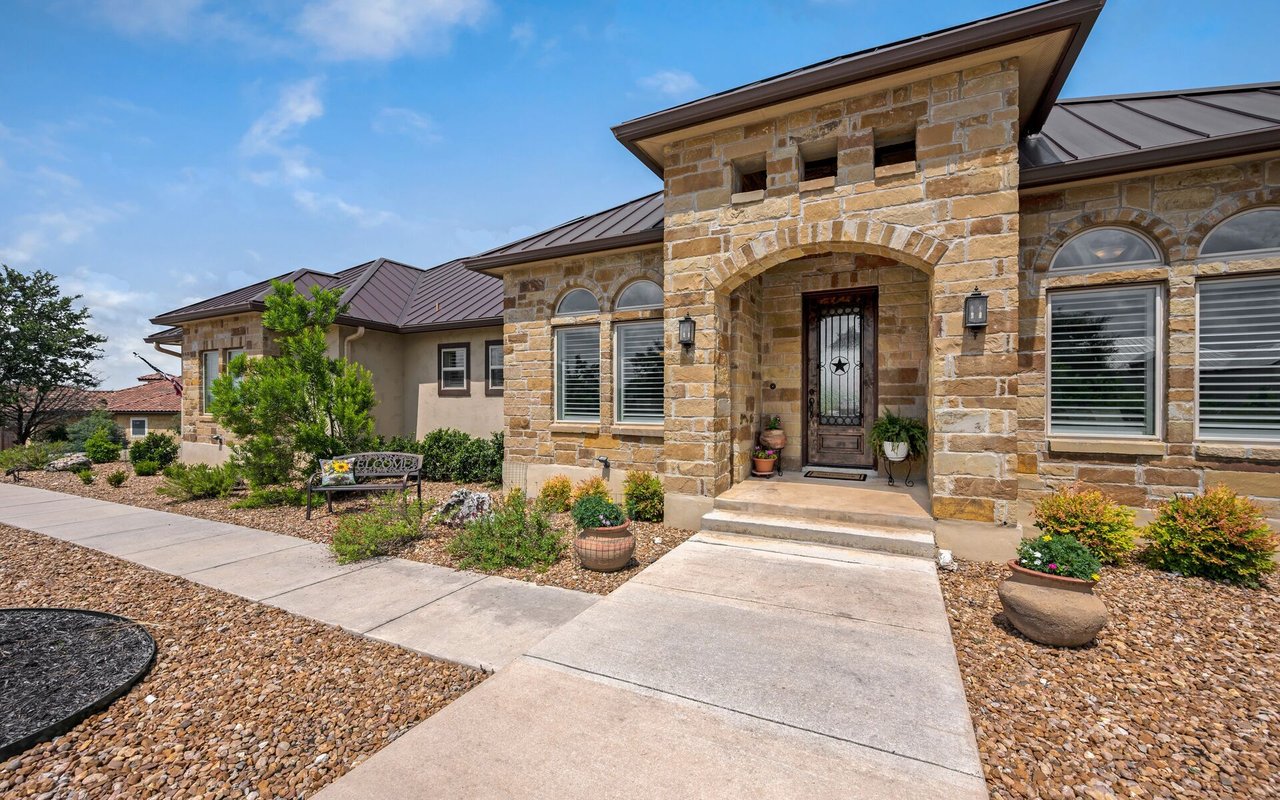
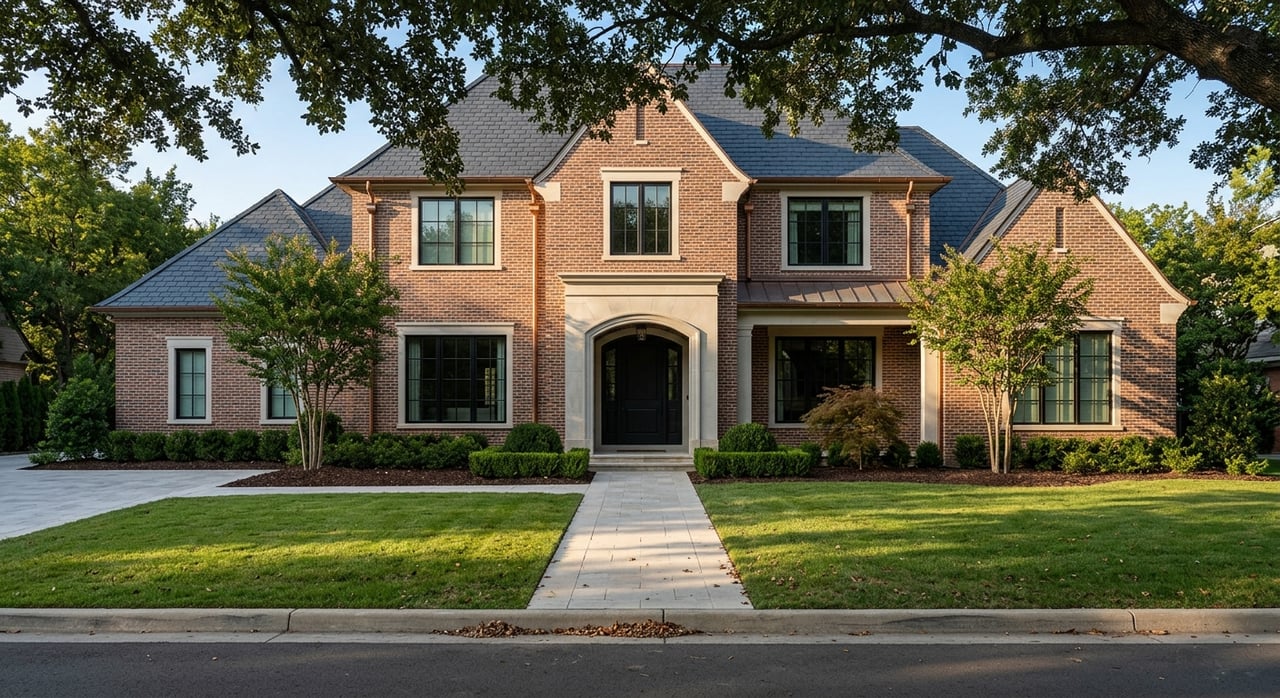
Across the town, early 20th-century homes and estates contribute to a strong visual identity. Reported styles include Tudor, Georgian, and Spanish Colonial Revival, and preservation efforts in the Park Cities help maintain that architectural character. For a buyer, this often means the neighborhood feels layered and established rather than uniform.
Refined, Not Overstated
What many people respond to in Highland Park is that the luxury tends to feel integrated into the environment. It is present in the mature landscaping, the maintained public spaces, and the architectural continuity of the homes and civic buildings. It feels less like a display and more like a standard that carries through the town.
That distinction matters if you want a home in an area that feels elegant on a daily basis, not only during a showing. Highland Park’s appeal is often about the full setting around the home, not just the property itself.
Errands Stay Close to Home
Everyday luxury is not only about aesthetics. It is also about convenience. Highland Park Village plays a major role here, serving as both a well-known retail destination and a practical part of local life.
The town notes that Highland Park Village was built in 1931 and was the first shopping center of its kind in the United States. Today, its mix includes dining, coffee, grocery options, gifting, and practical services such as shipping support. That means you can often take care of ordinary needs nearby without giving up a polished setting.
Highland Park Village Supports Daily Routine
The current tenant mix includes places like Bird Bakery, Bistro 31, Café Pacific, Mi Cocina, The Honor Bar, Royal Blue Grocery, Starbucks, The Juice Bar, and The UPS Store. This blend of dining and convenience helps explain why the Village functions as more than a luxury landmark. It supports regular life.
For many residents, that means coffee runs, lunch meetings, dinner plans, and last-minute errands can all happen close to home. When a neighborhood makes routine tasks easier, that convenience becomes a real part of the value.
Dallas Culture Is Within Easy Reach
Although Highland Park feels highly self-contained, it stays closely connected to the broader cultural life of Dallas. Because the town is about 3 miles north of downtown, major destinations are nearby enough to feel accessible on a regular basis. You do not have to plan a major outing just to enjoy the city.
The Dallas Arts District, located in the northeast corner of downtown Dallas, spans 118 acres and includes institutions such as the Dallas Museum of Art, Nasher Sculpture Center, Perot Museum of Nature and Science, Meyerson Symphony Center, Winspear Opera House, and Klyde Warren Park. For a Highland Park resident, those destinations sit comfortably within the normal orbit of city life.
What Everyday Luxury Really Means Here
In Highland Park, luxury often shows up in subtle ways. It is the consistency of the landscaping, the comfort of a short drive to downtown, the convenience of nearby errands, and the visual calm of tree-lined streets and preserved architecture. It is less about spectacle and more about ease, order, and quality.
That is why Highland Park tends to resonate with buyers who want a home in a place that feels complete. The setting is central, but residential. It is polished, but usable. And it offers a strong sense of place that remains noticeable long after the first impression.
Is Highland Park a Fit for You?
If you are relocating to Dallas or narrowing your search within the luxury market, Highland Park is worth considering for more than its reputation alone. It offers a rare combination of town identity, architectural character, green space, and access to city amenities. For the right buyer, that mix can create a lifestyle that feels both elevated and practical.
The key is seeing it through the lens of your real routine. How you commute, where you spend your free time, and how much you value walkable conveniences and established surroundings all matter. When those priorities line up, Highland Park can feel less like a status choice and more like a very natural fit.
If you are weighing Highland Park against other luxury neighborhoods in Dallas, Richard Noon offers discreet, high-touch guidance backed by deep DFW experience, careful market perspective, and a calm, well-managed approach from first tour to closing.
FAQs
What makes Highland Park feel different from other Dallas-area neighborhoods?
- Highland Park feels distinct because it is its own incorporated town with local services, parks, public safety, and a compact footprint of about 2.26 square miles, which creates a more intimate and highly maintained daily environment.
How close is Highland Park to downtown Dallas and local airports?
- The Town of Highland Park says the area is about 3 miles north of downtown Dallas, about 2 miles from Love Field Airport, and about 30 minutes from DFW International Airport.
What parks and green spaces are part of daily life in Highland Park?
- Highland Park’s park system includes 22 park locations, 12 landscaped traffic islands, about 59.3 acres of green space, 8 tennis courts, 3 playgrounds, and a town swimming pool, with Lakeside Park serving as the largest park.
What architectural styles are common in Highland Park?
- Reported architectural styles in Highland Park include Tudor, Georgian, and Spanish Colonial Revival, and the town is also known for strict construction standards and a strong preservation-minded character.
What everyday conveniences are available in Highland Park Village?
- Highland Park Village offers a mix of dining, coffee, grocery, gifting, and practical services, including options such as Bird Bakery, Bistro 31, Café Pacific, Mi Cocina, Royal Blue Grocery, Starbucks, The Juice Bar, and The UPS Store.
Is Highland Park a good fit for Dallas relocation buyers?
- Highland Park can appeal to relocation buyers who want a central Dallas location, established landscaping, architectural character, nearby daily conveniences, and close access to both downtown and regional transportation.