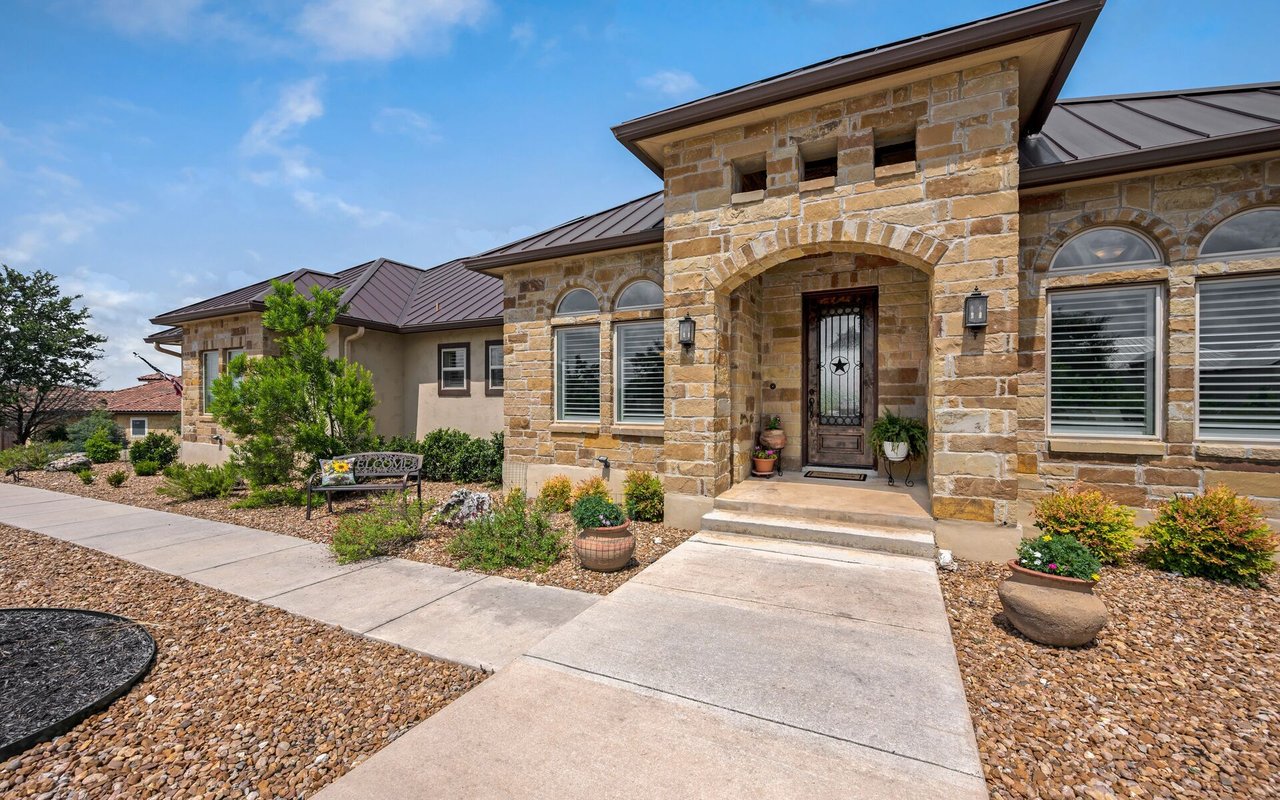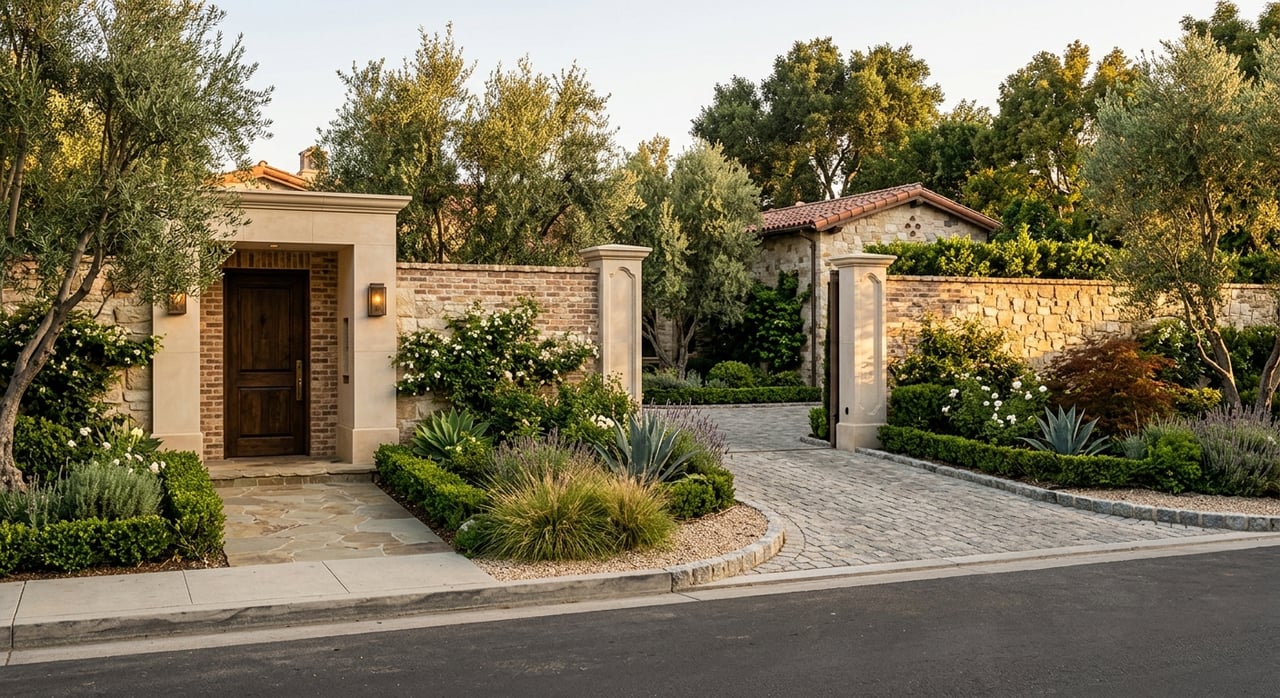
Looking for more privacy in Highland Park, but not sure what “gated” or “guarded” really means? That confusion is common, especially in a built-out luxury market where truly access-controlled options are limited and every community has its own rules. If you are comparing homes in Highland Park or nearby Dallas luxury enclaves, this guide will help you understand the differences, the approvals that matter, and what to review before you buy. Let’s dive in.
Why gated options are limited
Highland Park is a landlocked town about four miles north of downtown Dallas. According to the Town, it covers less than three square miles, has roughly 8,700 residents, and is mostly developed with single-family homes with ongoing redevelopment.
For you as a buyer, that matters because supply is naturally tight. In a small, mostly built-out community, there are only so many opportunities for true gate-controlled living, which is why buyers often compare Highland Park with nearby Park Cities and North Dallas luxury communities.
Gated vs guarded in Highland Park
These terms are often used together, but they are not the same. In practical terms, gated usually means access is controlled by an entry system, while guarded usually means a staffed entry with more active oversight.
That difference shows up clearly in nearby luxury communities. Lake Forest describes itself as a gated community inside an 8-foot wall with four gated entrances and attendants, while Oak Tree describes an upscale gated community with a 24-hour guarded entry gate. The Downs of Hillcrest is described as a gated residential community of about 160 luxury homes.
What buyers should ask
Before you assume a home offers the level of privacy or security you want, ask specific questions such as:
- Is entry controlled by a code, tag, or remote access system?
- Is there a staffed gate or attendant presence?
- Are guests screened before entry?
- Are vendors handled differently from visitors?
- Are there rules for overnight parking, deliveries, or service access?
Those details shape your day-to-day experience far more than the label alone.
Privacy works differently here
In Highland Park, privacy is rarely about one feature. It is usually created through a mix of controlled access, lot size, landscaping, setbacks, walls in the right locations, and architectural review.
That is important because many buyers picture privacy as a tall wall and a front gate. In Highland Park, the Town’s records show that the open character of the streetscape still matters, so visibility, traffic safety, and neighborhood character remain part of the conversation.
Managed visibility, not total isolation
A useful way to think about this market is managed visibility. Town board records discuss perimeter walls as a tool for privacy and security on larger lots, while still trying to preserve an open-character look.
So if you want a home that feels sheltered and discreet, the best fit may come from the overall site design rather than a dramatic front-facing barrier. Landscaping, setbacks, side and rear privacy features, and community standards often do the heavy lifting.
Town rules still apply
A gated address does not place a property outside Town oversight. Highland Park’s Community Development department says permits are required for fences, remodeling and additions, new construction, accessory structures, and several other project types.
The Town also states that the property owner is responsible for making sure a permit is obtained. It further notes that work must be completed by licensed and registered contractors.
Front-yard fences are a major local issue
This is one of the most important local details for buyers to understand. Highland Park zoning records show that front-yard fences are generally prohibited in residential districts, and proposals for gates or walls in the front setback may require variance review.
Board materials also note that fences and walls are usually prohibited in front yards to preserve neighborhood character. At the same time, perimeter walls can be typical on larger lots in Highland Park.
If you are buying with future improvements in mind, this is a critical distinction. A privacy wall is not just a design choice here. It can quickly become a zoning and approvals question.
HOA approval may be the real gatekeeper
In many gated or guarded communities, the homeowners association has just as much practical influence as the Town. Even if a project seems minor, exterior changes often require written approval before work begins.
The Downs of Hillcrest requires written ACC approval for any exterior modification, repair, replacement, removal, addition, or change. Oak Tree has a similar written-approval requirement for exterior work, and Lake Forest provides buyer and seller materials that include architectural review information, transfer-of-ownership fees, selling checklists, and sign procedures.
What this means for you
If you are buying in a gated or guarded setting, you should assume that changes to the exterior may involve multiple layers of review. That can include:
- Town permitting
- HOA architectural approval
- Rules on walls, gates, and setbacks
- Community procedures tied to move-ins, signs, or vendor access
For some buyers, that structure is a plus because it supports a more consistent look and feel. For others, it can feel restrictive if flexibility is a top priority.
What to review before closing
A beautiful entrance and a private feel can be appealing, but the paperwork tells you how the community actually operates. Texas Real Estate Commission guidance says property owners’ associations governed by Chapter 209 must file management certificates, those certificates are searchable online, and TREC does not regulate HOA conduct.
That makes HOA due diligence especially important. You should treat the management certificate and governing documents as core parts of your purchase review.
Your gated-community due diligence checklist
Before closing, review:
- The HOA management certificate
- CC&Rs and governing documents
- Architectural review guidelines
- Gate-access procedures for owners and guests
- Transfer fees
- Selling and sign rules, if relevant to your long-term plans
This helps you understand not just the home, but the ownership experience that comes with it.
Architectural consistency shapes the lifestyle
Highland Park’s zoning-rewrite materials say the Town is known for high-end homes and numerous parks, that most of the Town is developed with single-family homes, and that future ordinance work should maintain Highland Park’s unique characteristics.
That context helps explain why gates, walls, setbacks, and exterior changes receive close attention. In this part of Dallas, architectural consistency is not treated as an afterthought.
The tradeoff buyers should expect
Communities such as Lake Forest, The Downs of Hillcrest, and Oak Tree show how that control can shape the living experience. Their combinations of gated access, walls, landscaping, open space, attendant or guarded entry, and architectural review create a more controlled streetscape.
The tradeoff is simpler to understand than many buyers expect. You often gain more consistency, privacy, and predictability, but you may give up some freedom to make future exterior changes on your own timeline.
Resale depends on buyer fit
Buyers often ask if a gated or guarded address automatically means stronger resale. The honest answer is that the market usually responds to the broader package, not just the word “gated.”
Research cited in the report suggests that HOA membership and security features can support home values, and that communities with gates, guards, or both can see stronger pricing, with guards and patrols sometimes carrying more weight than gates alone. These studies are not specific to Highland Park, but they support a practical takeaway for luxury buyers.
The best resale question to ask
Instead of asking whether gated is always better, ask whether the community’s rules and access style match the likely future buyer. A tightly controlled or guard-gated setting may strongly appeal to privacy-minded luxury buyers.
At the same time, it may narrow the audience to people who are comfortable with HOA oversight, gate procedures, and association fees. In other words, resale strength often depends on alignment between the community structure and the buyer profile it attracts.
How to decide if gated or guarded living fits you
The right choice comes down to how you want to live. If you value a more controlled arrival experience, consistent exterior standards, and a stronger sense of separation from surrounding traffic, a gated or guarded setting may be worth the tradeoffs.
If you want more flexibility for future exterior changes, fewer approval layers, or a less structured ownership model, a traditional Highland Park property may suit you better. The key is to match the property to your priorities before you get too far into the process.
If you are weighing Highland Park against other luxury Dallas options, clarity matters. The strongest purchase decisions usually come from understanding the rules, the feel, and the long-term fit, not just the marketing language.
If you want discreet guidance comparing Highland Park with other private luxury communities in Dallas, Richard Noon can help you evaluate access, HOA structure, privacy features, and resale considerations with a calm, detail-first approach.
FAQs
What does gated living mean in Highland Park or nearby Dallas luxury communities?
- In this market, gated usually means access is controlled by an entry system, while the exact level of oversight varies by community.
What does guarded living mean in Highland Park area communities?
- Guarded usually means a staffed or attended entry with more active control than a gate alone.
Are front-yard gates and fences allowed in Highland Park?
- Highland Park zoning records show that front-yard fences are generally prohibited in residential districts, and gate or wall proposals in the front setback may require variance review.
Do HOA rules still apply in a gated Highland Park area community?
- Yes. Communities such as The Downs of Hillcrest and Oak Tree require written approval for exterior changes, and additional community procedures may also apply.
What approvals are needed before exterior work in Highland Park?
- Many projects may require both Town permits and HOA architectural approval, depending on the property and the scope of work.
What should buyers review before closing on a gated or guarded home?
- Buyers should review the HOA management certificate, governing documents, architectural rules, gate-access procedures, and any transfer fees or related community requirements.