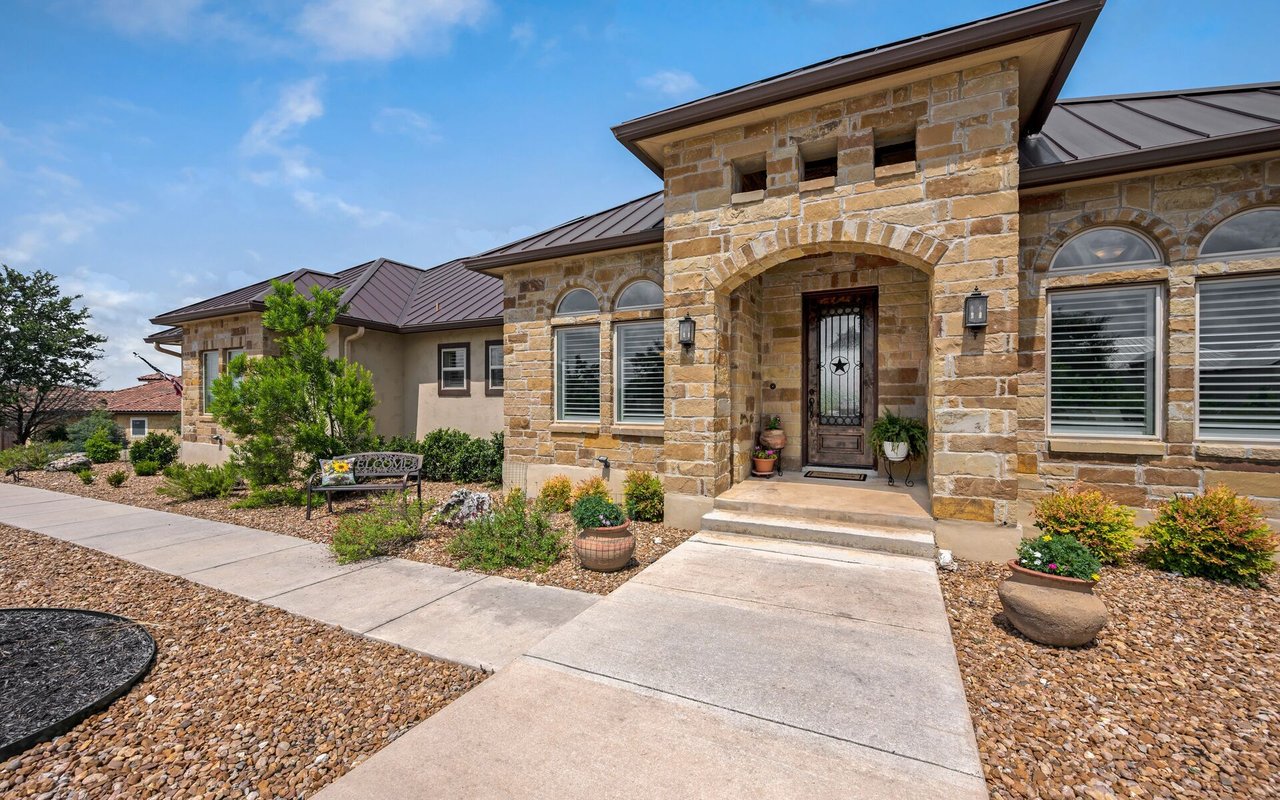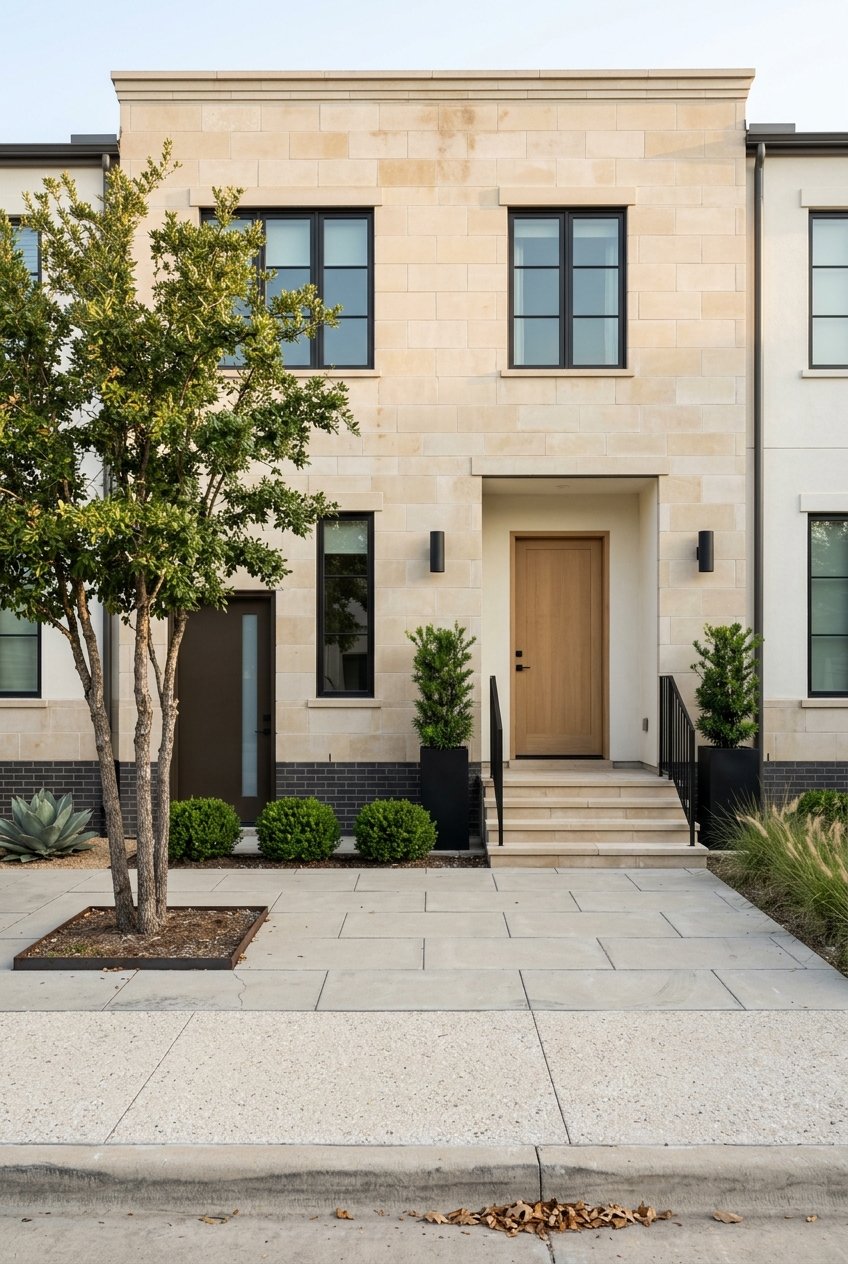
If you are thinking about buying income-producing property in Highland Park, you need a different lens than you would use in a typical cash-flow market. This is a small, built-out town with limited supply, high property values, and a housing stock that often demands careful maintenance planning. When you understand how scarcity, taxes, upkeep, and tenant fit work here, you can make a far more confident decision. Let’s dive in.
Why Highland Park Stands Apart
Highland Park is a 2.2-square-mile town with 8,773 residents and 3,667 housing units, according to Census Reporter. It is also a market with very high home values, with Census Reporter showing a median owner-occupied home value of $1,989,900, while Zillow’s current home value index is even higher.
What matters most for an investor is not just the price point. Highland Park is a supply-constrained market. The town’s history and development pattern point to a place that is largely built out, which means acquisition opportunities can be limited and resale strength often plays a major role in the investment story.
That makes Highland Park a market where you should usually ask, “Will this property hold long-term value and attract stable tenants?” before you ask, “What is the maximum yield?”
Focus on the Right Property Types
In practical terms, most income-producing opportunities in Highland Park are not large apartment-style investments. City-data housing figures show the housing stock is dominated by detached homes, with far fewer attached homes and only limited small multifamily formats.
For many buyers, that means the realistic acquisition pool will be:
- Single-family homes
- Attached homes
- Condos or townhome-style properties
- Select smaller residential formats where available
This matters because your investment approach should match the local inventory. In Highland Park, the strongest fit is often a well-located, high-quality home that can appeal to a stable renter and still make sense on resale later.
Know the Limits on Accessory Structures
One detail that can affect your numbers right away is the town’s rule on accessory buildings. According to Highland Park’s Community Development department, accessory buildings cannot contain kitchen facilities, cannot be rented, and cannot be used for commercial purposes.
That means you should not assume a guest house, garage apartment, or detached structure can serve as a separate rental unit. If part of your strategy depends on adding independent rental income from an accessory building, you will want to verify that early before moving forward.
Understand the Likely Tenant Profile
Highland Park’s demographics help explain the kind of renter demand you may be buying for. Census Reporter shows a median age of 44.9, household size of 2.7, bachelor’s degree or higher at 87.9%, and median household income of $250,001+.
While demographics do not guarantee a specific tenant profile, they do suggest demand is likely to come from high-income professionals, relocating executives, and established households looking for a quality home in a highly limited market. The same data also show only 10.9% moved since the previous year, which supports the idea of lower turnover compared with more transient rental markets.
For lease planning, a few practical points stand out:
- Longer lease terms may make more sense than short-term turnover strategies.
- Family-oriented homes may benefit from lease timing that aligns with the school calendar.
- If a property is in a resident-only parking area, renters must provide a current lease for decal review under the town’s RPP application rules.
Rent Data Requires a Careful Read
Rental pricing in Highland Park can look strong on paper, but you should be careful about relying on one headline figure. Zillow’s rental pages currently show asking rents in the upper-thousands, but the exact number varies by page and methodology, with one page showing an average rent of $5,800 and another showing $7,256, alongside a very small number of active rentals.
The bigger takeaway is that available inventory appears limited. In a market this thin, live comparable rentals matter more than any single index number. If you are underwriting a purchase, you will want current, property-specific rent comps rather than a broad average.
Underwrite Taxes Conservatively
One of the biggest mistakes buyers can make in Highland Park is using overly optimistic tax assumptions. Texas does not have a state property tax, but local taxing units set rates. The Texas Comptroller notes the framework, and Dallas CAD’s 2026 aggregate rate for Highland Park City/ISD is 1.568071 per $100 of taxable value.
That works out to roughly $15,681 per $1 million of taxable value before exemptions. On a high-value property, that can materially affect your monthly carrying costs.
If you are buying strictly as an investment, be especially careful not to underwrite based on owner-occupant assumptions. Homestead-related benefits apply to a principal residence, so investor numbers should reflect the actual likely tax treatment.
Budget More for Maintenance and Capital Costs
Highland Park is not a market where you should plan on light maintenance. The housing stock includes many older homes, and City-data estimates a median year built of 1975 for houses and condos, with apartments even older.
On top of that, the town requires permits for many kinds of construction, remodeling, and maintenance work. The Highland Park building permit page lists common permit-triggering work such as roofing, windows, plumbing, mechanical work, garages, decks, pools, and exterior concrete, along with a $55 minimum permit fee, a $125 contractor registration fee, and a $250 non-refundable plan review fee for certain residential renovations. You can review those requirements through the town’s building permit resources.
The town also notes that remodeling projects can often last more than 12 months. For you, that means reserves should be stronger than they might be in a simpler suburban rental model.
Why Management Matters More Here
In Highland Park, property management is not just about collecting rent. It is about protecting the asset. Because exterior work can be permit-sensitive and contractors often must be licensed and registered with the town, a higher-touch management approach tends to fit this market better.
A strong operating plan should include:
- Thorough tenant screening
- Clear lease enforcement
- Ongoing tax and reserve review
- Vendor coordination for higher-end finishes and older-home systems
- Permit awareness for repairs and improvements
- Parking and local compliance review where applicable
This is one reason Highland Park often functions as a preservation-and-resale market first, and a cash-flow market second. Your management strategy should reflect that reality from day one.
Look at Appreciation and Resale Strength
Highland Park’s long-term value proposition is closely tied to scarcity. The town incorporated in 1913, added its final major land development in 1924, and then grew mainly through remaining vacant lots, according to the town’s incorporation history. Combined with the town’s emphasis on strict construction standards and quality housing, that supports a market where location and limited supply matter greatly.
For investors, this can change the way you judge a deal. A property with only modest immediate cash flow may still make sense if it offers strong tenant appeal, manageable upkeep, and compelling long-term resale potential.
That is not a guarantee of performance, of course. It is simply the more realistic framework for evaluating Highland Park compared with markets where rent growth alone drives the decision.
A Smarter Buying Checklist
Before you buy income-producing property in Highland Park, it helps to pressure-test the opportunity with a disciplined checklist:
- Confirm the property type fits the local rental market.
- Verify rent using live comps, not just a broad index.
- Check accessory building rules before assuming extra income.
- Model taxes realistically using current local rates.
- Increase maintenance and capex reserves for older homes and permit-related costs.
- Review parking or local compliance issues that could affect tenants.
- Evaluate resale strength alongside near-term income.
When you use this framework, you are much less likely to overpay based on an optimistic spreadsheet.
What a Strong Highland Park Investment Looks Like
In many cases, the best Highland Park income-producing property is not the one with the flashiest projected yield. It is the one that combines limited-supply location, durable tenant appeal, realistic operating costs, and long-term resale strength.
That often points buyers toward high-quality single-family homes or select attached housing where the numbers are underwritten conservatively. In this market, patience, detail, and discipline usually matter more than chasing a headline return.
If you want experienced guidance as you evaluate Highland Park investment opportunities, Richard Noon offers a discreet, detail-driven approach built around careful analysis, strong negotiation, and long-term value.
FAQs
What type of income-producing property is most common in Highland Park?
- Highland Park housing is mostly detached residential property, so buyers will usually find opportunities in single-family homes, attached homes, and limited condo or townhome-style options rather than large apartment buildings.
Can you rent out a guest house or garage apartment in Highland Park?
- According to the town’s Community Development rules, accessory buildings cannot contain kitchen facilities and cannot be rented, so you should not assume a detached structure can legally produce separate rental income.
Are Highland Park rentals usually strong cash-flow properties?
- Highland Park is generally better viewed as a preservation-and-resale market first and a cash-flow market second, so buyers should weigh appreciation potential and resale strength alongside rental income.
What property tax rate should buyers consider for Highland Park investment property?
- Dallas CAD’s 2026 aggregate rate for Highland Park City/ISD is 1.568071 per $100 of taxable value, which equals about $15,681 per $1 million of taxable value before exemptions.
Why should buyers budget extra for maintenance in Highland Park?
- Many homes are older, and the town requires permits for a wide range of repair and renovation work, which can increase both project cost and timeline.
How should buyers estimate rent for a Highland Park investment property?
- Because rental inventory is limited and broad rent averages can vary by source, buyers should rely on current, property-specific comparable rentals rather than a single market-wide rent figure.